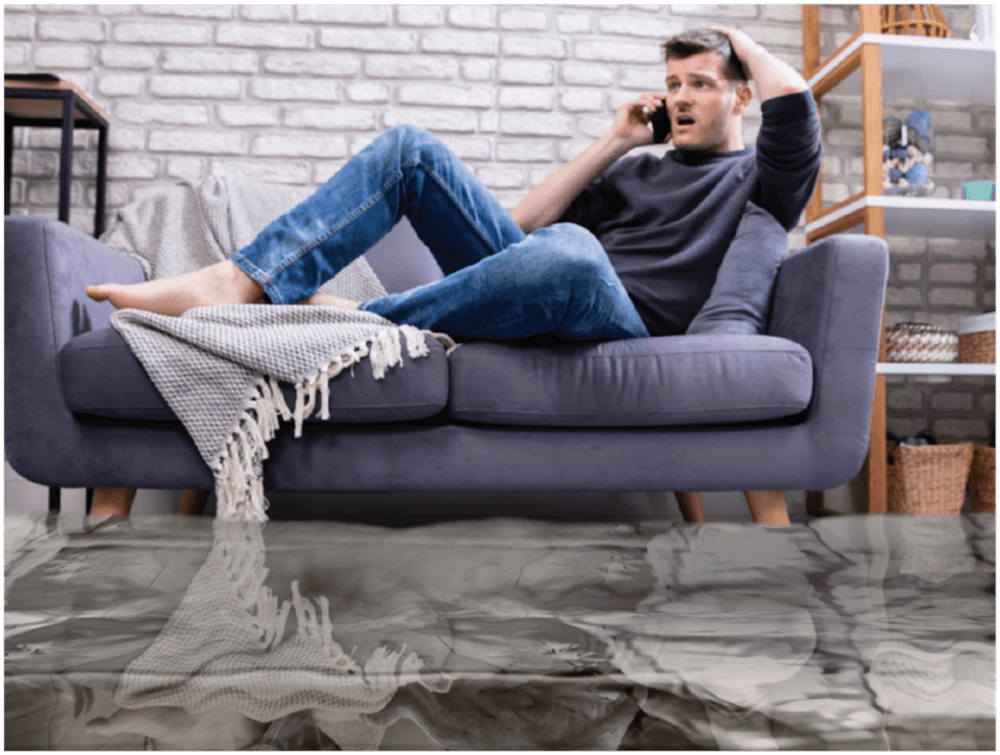
A burst pipe can flood a room in minutes and soak floors, walls, and cabinets. Advantage Plumbing, Heating, Cooling & Electric provides burst pipe repair in Stillwater at any hour. A real person answers the phone 24 hours a day, 7 days a week. Licensed plumbers find the break, stop the leak, and replace the damaged pipe.
First Steps After a Pipe Bursts
Fast action limits the damage. Follow these steps while the plumber is on the way.
- Shut off the main water valve to stop the flow.
- Turn off the water heater so it does not run dry.
- Open the lowest faucet in the house to drain water left in the pipes.
- Stay clear of water near outlets or cords. Shut off that circuit at the breaker only if it is safe.
- Mop up water and move rugs, boxes, and furniture to a dry spot.
- Take photos of the damage for insurance records.
The City of Stillwater posts short videos on how to turn water, gas, and electric meters off. Homeowners can watch them now so they know what to do later.
Why Pipes Burst in Stillwater Homes
Most burst pipes trace back to cold weather, age, or pressure. Each cause shows up in Stillwater homes.
Freezing is the most common cause. Water expands as it turns to ice. That expansion builds pressure between the ice and a closed faucet. The pipe often splits in that section, not where the ice formed. Payne County sits in climate zone 3A, but winter nights can still drop well below freezing. Pipes in attics, crawl spaces, garages, and outside walls face the highest risk.
Age plays a role too. U.S. Census data shows about 44 percent of Stillwater homes date to before 1980. Older pipes can corrode from the inside and weaken over time. A weak spot can give way with no warning.
High water pressure and shifting ground add stress. Long dry spells can move the soil around buried water lines. Outdoor faucets and hose connections can also freeze and split if hoses stay attached.
How Advantage Repairs a Burst Pipe
Every burst pipe repair follows a clear process. The goal is to fix the break and keep it from happening again.
First, the plumber finds the exact break. Some are easy to spot. Others hide behind drywall, under floors, or below a concrete slab. Plumbers use water leak repair methods to pinpoint hidden breaks with as little damage as possible.
Next, the plumber cuts out the damaged section and installs new pipe. Then the plumber pressure tests the system to confirm the repair holds. The plumber also checks nearby pipes for cracks, bulges, or corrosion. One burst can signal more weak spots in the same line.
Sometimes a single repair is not enough. Repeated leaks in older pipe may point to wider pipe replacement. The plumber explains every option and gives an upfront price first.
Burst pipes outside the home need attention too. Plumbers repair frozen hose bibs and split outdoor plumbing lines. Breaks in buried yard lines may call for digging, which the team also handles.