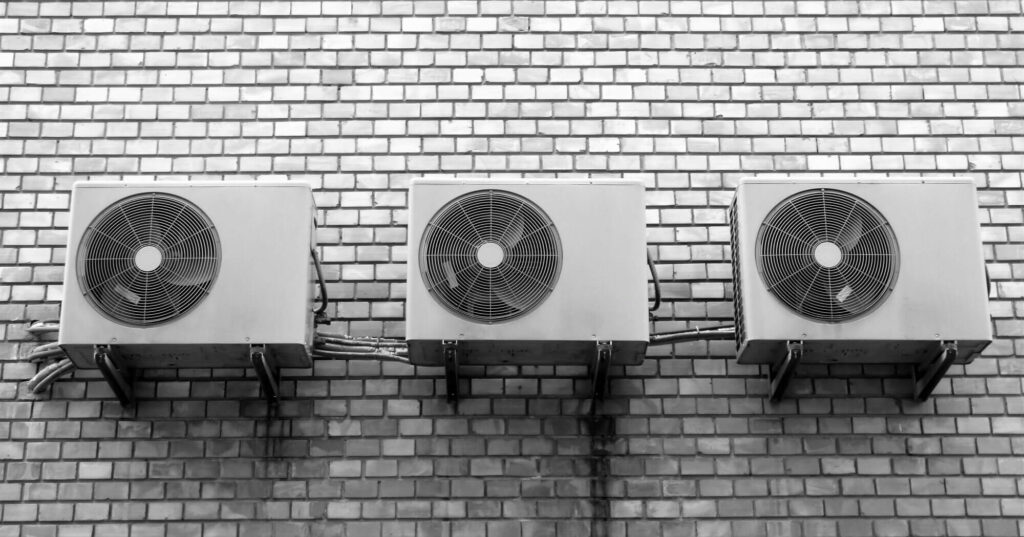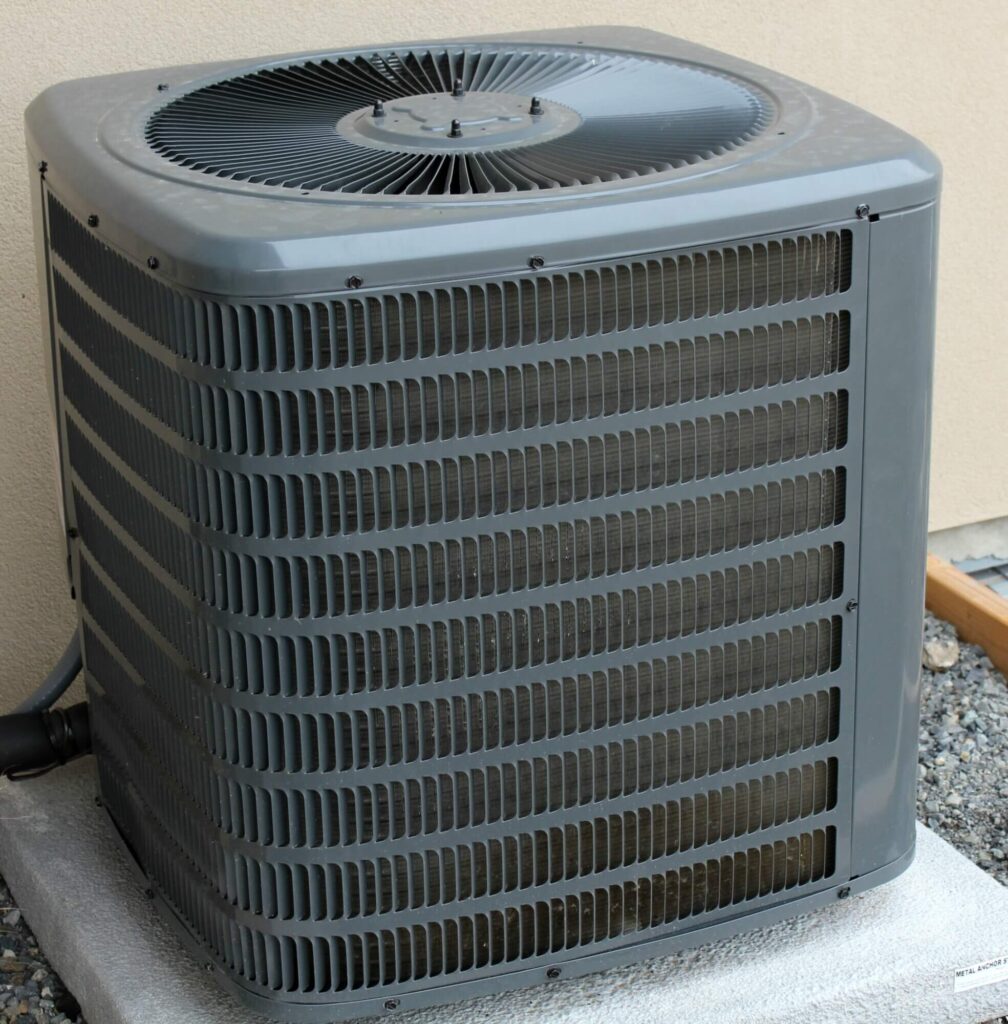
Oil and propane furnaces might keep you warm, but they’re older and prone to problems. First, the prices of these fuel types fluctuate wildly depending on demand and other factors. Second, reliance on fossil fuels has been targeted for reduction due to ecological concerns. Fortunately—no matter what part of Stillwater you call home—there’s an HVAC option that comes almost free of drawbacks: electric heat pumps. Our HVAC experts are here and ready to assist in not only with removing your old system but also with repairing or servicing your existing heat pump as well.
How Heat Pumps Heat and Cool Homes in Stillwater
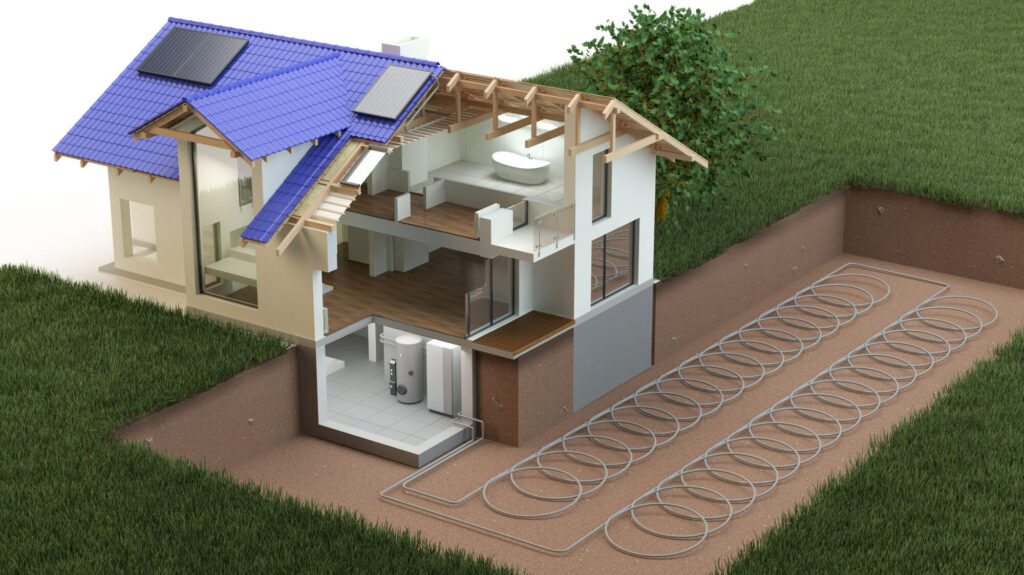
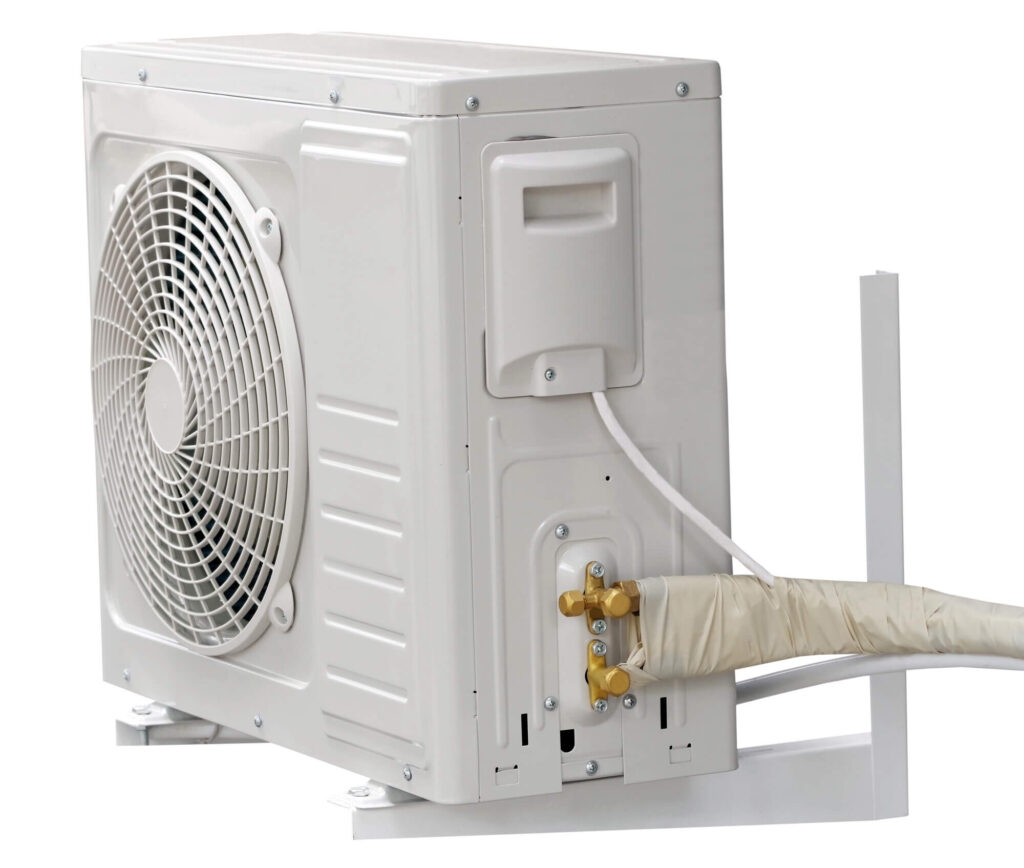
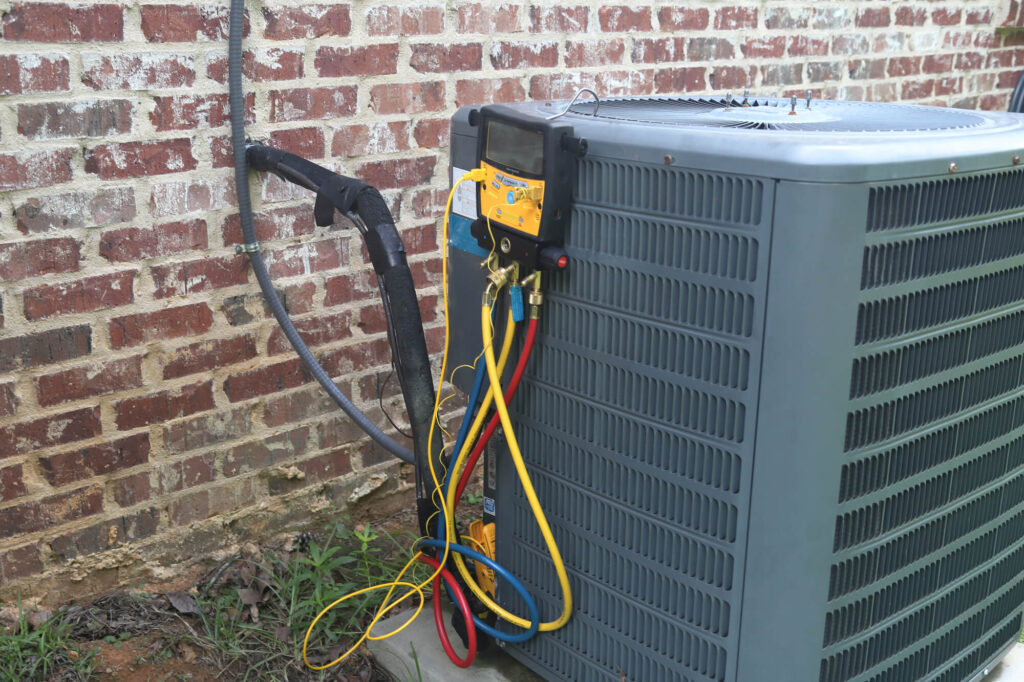
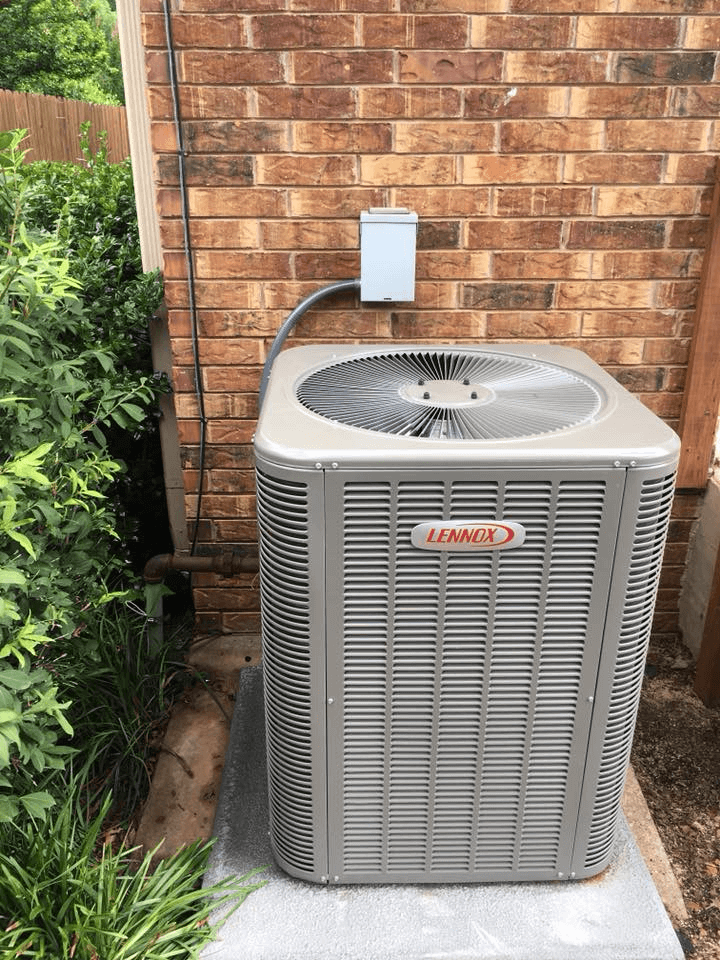
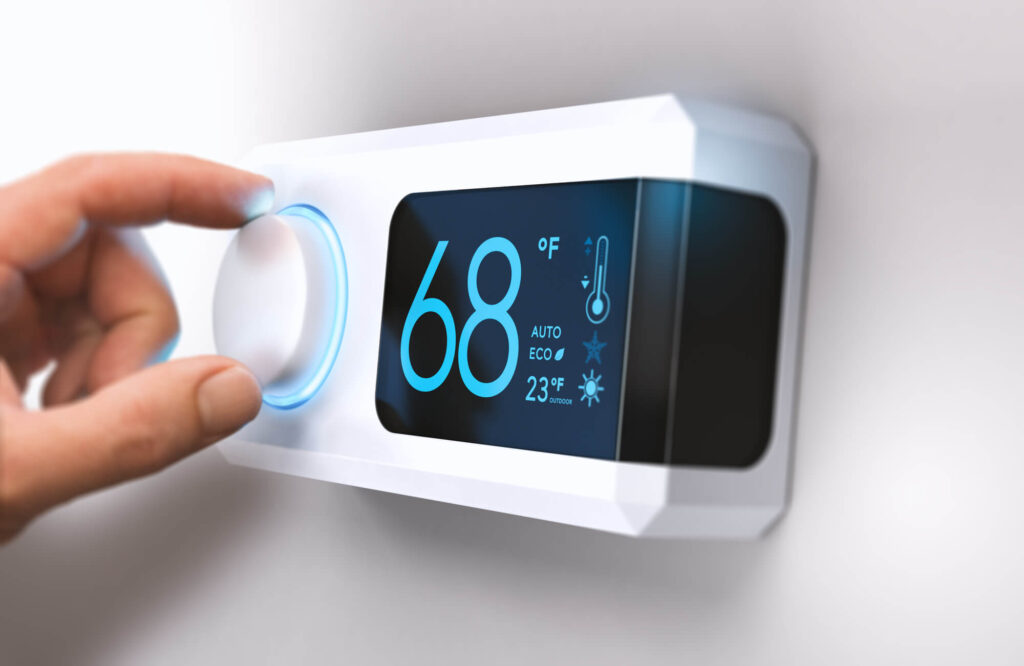
It can help to think of a heat pump as an AC unit that can run in reverse. When Stillwater gets hot, your thermostat will tell the heat pump to turn on. This will power up the compressor and start the refrigerant cycling. Or, in the case of geothermal systems, it’ll trigger a process deep underground. This liquid pulls the warmth from your home’s air, cooling it. This—if you know anything about air conditioning—might sound pretty familiar. It’s what electric heat pumps do when the mercury dips that really sets them apart.
During the cooler parts of the year, the heat pump will operate in reverse. Instead of pushing the warmth outside, it extracts it from the air outside. This warmth is then pumped inside your home. A separate blower—or your existing furnace—then pushes the air throughout your home. This flexibility makes them a great option for anyone after improved efficiency in Stillwater. Even if you are just replacing an existing heat pump, you’re still likely to see some comfort improvement.
Why You Might Want to Swap that Old Furnace for a Heat Pump in Stillwater
Swapping a traditional HVAC system for a heat pump isn’t cheap, especially if you need ductwork service or a blower installed. If only looking at cost, you might be deterred. But, if you take the time to compare furnaces to heat pumps, you’ll find the latter has many attractive advantages.
The pros of heat pump installation in Stillwater include:
- More Consistent Heating: Unlike traditional heating systems, heat pumps don’t constantly shut on and off. Instead, they continuously cycle air throughout your home.
- Room-by-Room Control: Heat pumps make zoning your home’s HVAC easy. Need to heat the attic and lay off on the living room? This is an option with heat pumps.
- No More Burning Smells: When you kick on your heater or furnace for the first time each season, you likely detect the scent of burning dust. With heat pumps, there’s no fire or soot. That means no burning and no smoky odors.
- Eco-Friendliness: When it comes to emissions, heat pumps are one of the top performing HVAC systems. So, if going green is on your agenda, heat pump conversion in Stillwater is worth considering.
- Space Savings: Heat pumps can both heat and cool, eliminating the need for a bulky indoor system. This gives you back closet or basement space.
- Wide Compatibility: Live in a mansion? A small house? Have no ducts? With heat pumps, none of these things are a problem. Their versatility allows for almost limitless configuration options.
- Lowered Energy Bills: Electric heat pumps offer huge savings when compared to traditional forced air systems.
That is not to say that the electric heat pumps are perfect. They also come with drawbacks. First, they need a secondary blower in order to distribute air effectively. Second, as temperatures drop below freezing, heat pumps lose much of their efficiency, drawing higher amounts of electricity. Lastly, because they run year-round, heat pumps have a slightly shorter lifespan than heating and AC units. But, when compared dollar-for-dollar, these dual systems offer the ultimate in HVAC convenience and return on investment.
Take Advantage of Heat Pump Rebates in Stillwater
With the government pushing for better environmental choices, a number of rebates are available for residents looking to switch to an electric heat pump. At Advantage, we stay up to date on current discounts and offers. This allows us to provide our customers in Stillwater with the most bang for their buck. But we don’t just pass knowledge on to you, we help you apply it as well.
Heat Pump Myth Busting
If you’ve relied on a fossil fuel heating system for a while, you might be concerned about switching to newer heat pump technology. You may also have heard some negative things. Here, we’ll debunk the top four myths about converting from a fossil fuel furnace to an electric heat pump.
Myth #1: Heat pumps don’t work on frigid days.
In the 1980s, heat pumps struggled to deal with temperatures below freezing. But, since then, improvements allow these systems to easily handle temperatures as low as -13°F (-25°C). It should be noted, though, that they lose efficiency as the temperature dips towards that number.
Myth #2: You need a furnace backup.
While some homeowners prefer to install a secondary heating system like a furnace or heater it’s not a requirement. Cold climate heat pumps are masters of finding heat where there seems to be none. Though, in some circumstances, we may advise keeping your current furnace.
Myth #3: Fossil fuels are cheaper than electric heating.
If you use the right technology, this one is false. This myth got started because electric furnaces can be costlier than gas ones. But that’s because furnaces aren’t the most effective electric heating system—heat pumps are! Since these systems only move heat from one spot to another, they don’t need to stress themselves as much. This leads to lower HVAC costs in the Stillwater area.
Myth #4: Heat pumps are too expensive
Heat pumps may cost more than a new AC unit or furnace, but that makes sense since these appliances take care of both. So, before you balk at the cost, make sure that you’re making a fair comparison.